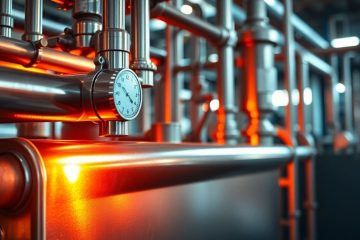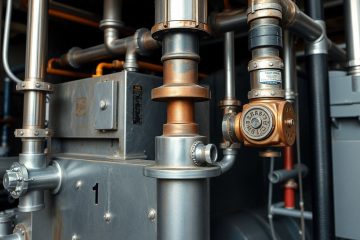
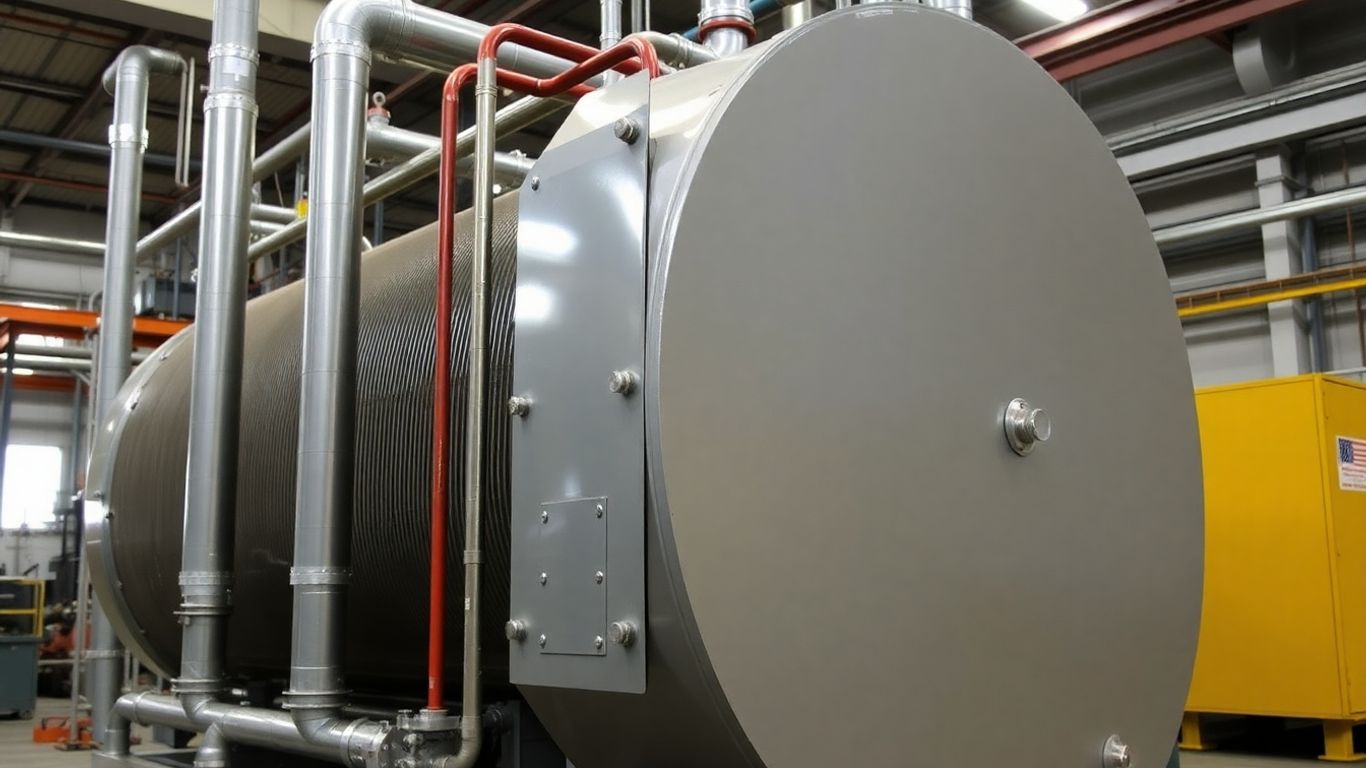
Thinking about upgrading your industrial heating? You’ve probably heard about thermic fluid heaters, and for good reason. They’re pretty popular for a lot of jobs. This article is all about the gas fired thermic fluid heater, what it does, why it’s a good idea, and how to pick the right one for your needs. We’ll break down the basics so you can get a clearer picture.
Key Takeaways
- A gas fired thermic fluid heater uses a special oil or fluid to move heat around your industrial process. It’s different from steam boilers because it works at lower pressures, which is generally safer.
- These heaters are good because they can get things really hot, up to around 400°C, but without needing high pressure. This makes them more efficient and less risky than steam systems.
- You can find them used in all sorts of places, like making chemicals, processing food, treating textiles, and even in plywood factories. They’re pretty versatile.
- When you’re picking one, think about how much heat you need and how fast you need it. Also, check which fuels are easy to get and how much they cost in your area.
- To keep your gas fired thermic fluid heater running well, you need to check the oil quality now and then, make sure the burner is working right, and replace the fluid when the maker says you should. Regular checks help it last longer.
Table of Contents
Understanding The Gas Fired Thermic Fluid Heater
So, you’re looking into heating systems for your industrial gig, and you’ve heard about thermic fluid heaters. What exactly are they, and why are they becoming so popular? Think of them as a super-efficient way to move heat around your plant without all the fuss of high-pressure steam. They use a special liquid, often called thermal oil, to carry that heat exactly where it needs to go. This means you can get really high temperatures, like up to 400°C, but without needing those bulky, high-pressure tanks and pipes that come with steam. It’s a much safer and simpler setup, really.
What is a Thermic Fluid Heater?
A thermic fluid heater, sometimes called a thermal fluid heater or thermic oil heater, is basically an indirect heating setup. It heats up a special fluid, which then circulates through a closed loop to deliver that heat to your process equipment. Unlike steam boilers that operate under high pressure, these systems work at low pressure. This makes them a lot safer to handle and generally easier to manage. They’re great for any process that needs consistent, precise temperatures, and they avoid the issues that can come with water treatment and corrosion that steam systems often deal with.
Thermic Fluid Heater Working Principle Explained
Let’s break down how these things actually work. It starts with the combustion chamber, where fuel – in our case, gas – is burned. This heat then transfers directly to coils filled with the thermal fluid. A pump then pushes this hot fluid through a network of pipes to wherever the heat is needed, like in reactors, presses, or dryers. Once the fluid has given up its heat, it flows back to the heater to get warmed up again, completing the cycle. It’s a continuous loop, keeping things running smoothly. This setup is pretty neat because it means you don’t have to worry about the high pressures and temperatures associated with steam, which can be a real headache.
Here’s a quick rundown of the process:
- Combustion: Gas fuel is burned to create heat.
- Heat Transfer: The heat is passed to the thermal fluid inside coils.
- Circulation: A pump moves the hot fluid through the system.
- Heat Delivery: The fluid transfers heat to your process equipment.
- Return: The cooled fluid returns to the heater for reheating.
This closed-loop system is designed to prevent fluid loss and minimize corrosion, leading to a longer lifespan for the equipment and reduced maintenance needs. It’s a smart way to manage industrial heating.
Key Components of a Thermic Fluid Heater System
To get a thermic fluid heater system up and running, you’ll need a few main parts. First, there’s the combustion chamber, which is where the gas burner sits and does its thing. Then you have the heating coils, which are basically tubes that the thermal fluid flows through to pick up the heat. A circulation pump is vital for moving the fluid around the system. You also need an expansion tank to handle any changes in the fluid’s volume as it heats up. Finally, a control panel with all the necessary safety features is included to manage the whole operation. Getting these components installed correctly is key to making sure your heater runs reliably, day in and day out. You can find reliable systems from manufacturers specializing in thermal fluid heaters.
Benefits of Gas Fired Thermic Fluid Heaters
When you’re looking at heating solutions for your industrial setup, gas-fired thermic fluid heaters really stand out. They bring a bunch of advantages to the table, especially when you stack them up against older systems like steam boilers. It’s not just about getting things hot; it’s about doing it smarter, safer, and often, cheaper.
Cost-Effectiveness Compared to Steam Systems
Let’s talk money. One of the biggest draws of thermic fluid heaters, particularly the gas-fired ones, is how they can save you cash over time. Unlike steam systems that deal with high pressures and all the associated risks, thermic fluid systems operate at much lower pressures. This means less wear and tear on your equipment and a lower chance of costly leaks or failures. Plus, you avoid the constant heat loss that happens with steam systems through things like blowdown and steam traps. Thermic fluid heaters are generally more efficient, meaning they use less fuel to get the job done. Some estimates show they can use up to 20% less energy than steam heating.
Enhanced Safety and Low-Pressure Operation
Safety is a huge deal in any industrial setting, and this is where thermic fluid heaters really shine. Because they operate at low pressures, the risk of explosions or serious injury from pressure-related incidents is significantly reduced. You don’t have to worry about the same level of danger that comes with high-pressure steam. The thermal fluid itself is also designed to handle high temperatures without boiling, which further contributes to a safer operating environment. This makes them a much more predictable and manageable heating solution.
Fuel Flexibility and Efficiency
Gas-fired thermic fluid heaters offer a great balance of fuel flexibility and operational efficiency. While we’re focusing on gas, many systems can be adapted to run on other fuels too, like diesel or even solid fuels, giving you options depending on what’s available and most economical in your area. The combustion process in these units is typically very clean and controlled, leading to high thermal efficiency. This means more of the energy from the fuel is transferred to your process fluid, and less is wasted up the chimney. This efficiency translates directly into lower fuel bills and a smaller environmental footprint. It’s a win-win for your budget and the planet.
Industrial Applications for Gas Fired Thermic Fluid Heaters
Gas-fired thermic fluid heaters are showing up in a lot of different industries, and for good reason. They’re really good at providing consistent, high temperatures without all the hassle and danger that comes with high-pressure steam systems. This makes them a go-to choice for processes that need precise heat control.
Chemical and Pharmaceutical Processes
In the chemical and pharmaceutical worlds, things have to be just right. Thermic fluid heaters are perfect for heating reactors, distillation units, and various drying equipment. They offer that stable temperature control that’s so important for reactions and product purity. Plus, operating at lower pressures means less risk, which is always a big plus when you’re dealing with sensitive materials. This kind of system is also used for heating gases within pipelines, which is pretty neat. heating gases pipelines
Food Processing and Textile Industries
For food processing, indirect heating is key, and thermic fluid heaters deliver. Think about all those frying systems, melting processes, and pasteurization units – they all need reliable, even heat. Thermic fluid heaters can provide this without direct contact, keeping things clean and safe. In the textile industry, these heaters are used for drying fabrics, curing dyes, and heat-setting materials, ensuring consistent quality across large batches.
Plywood, Laminate, and Bitumen Plants
Making plywood and laminates involves hot presses and coating lines where surface temperature stability is everything. Thermic fluid heaters are excellent at maintaining these exact temperatures. And for bitumen plants, keeping that thick material at a workable temperature is a constant challenge. Thermic fluid heaters handle this job efficiently, preventing blockages and ensuring smooth operations. They’re a solid choice for keeping viscous fluids flowing.
Here’s a quick look at where they fit in:
- Chemical & Pharma: Reactors, dryers, distillation units.
- Food Processing: Frying, melting, pasteurization, cooking.
- Textiles: Drying, curing, heat-setting.
- Wood Products: Plywood presses, laminate coating.
- Bitumen: Maintaining fluid viscosity.
The ability to operate safely at lower pressures, combined with precise temperature management, makes thermic fluid heaters a versatile and reliable heating solution across many demanding industrial settings. They often replace older, less efficient, or more dangerous heating methods.
Selecting the Right Gas Fired Thermic Fluid Heater
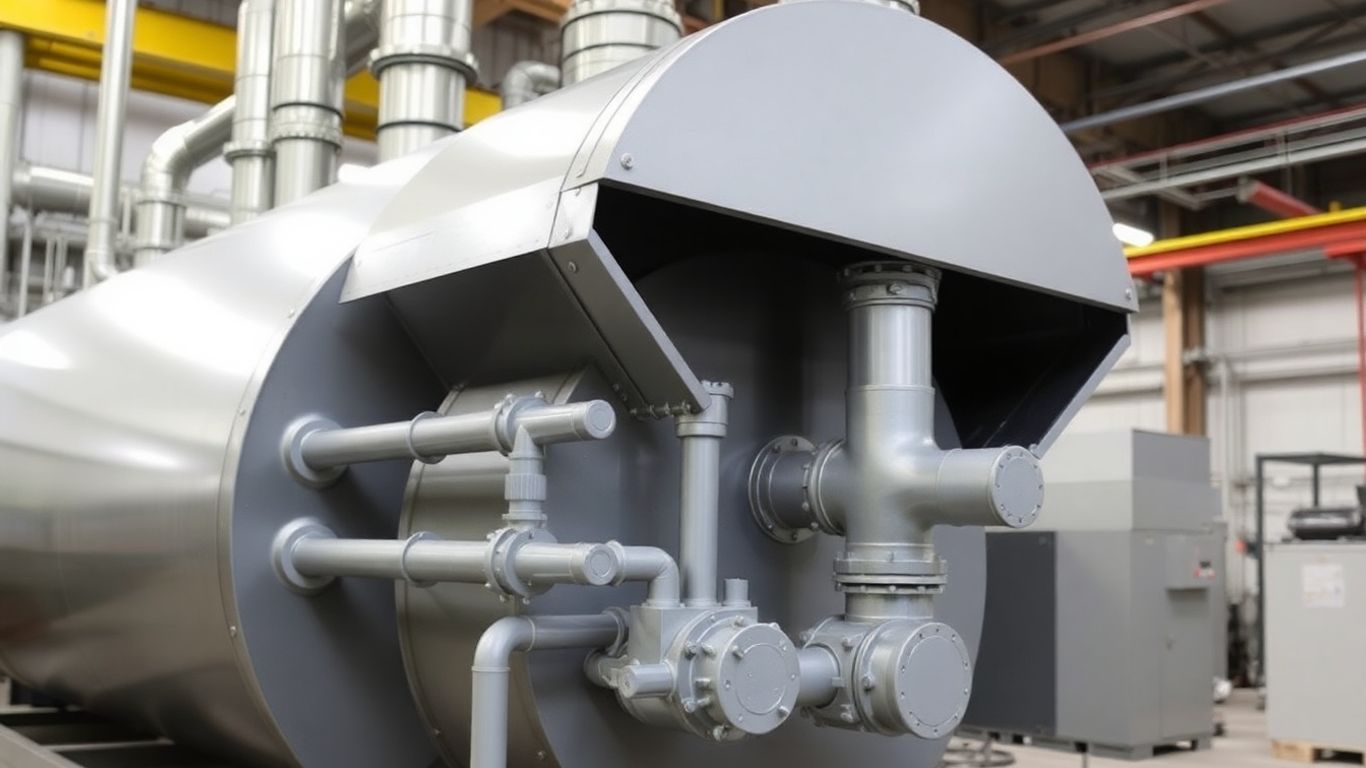
Picking the right gas-fired thermic fluid heater for your industrial setup isn’t just about picking a piece of equipment; it’s about finding a partner that will reliably and efficiently support your production goals. You’ve got to think about a few things to make sure you get a system that fits your needs without causing headaches down the road. It’s not a one-size-fits-all deal, so let’s break down what you should be looking at.
Assessing Temperature and Flow Rate Requirements
This is probably the most important starting point. What exactly do you need this heater to do? You need to know the maximum temperature your process requires and how much of that heated fluid you need to move around at any given time. Think of it like this: if you’re cooking a big batch of something, you need enough heat and enough liquid to get the job done. Too small, and you’re waiting around forever; too big, and you’re wasting energy and money. You’ll want to look at your process’s thermal load – that’s the total amount of heat needed. This will help you figure out the required flow rate of the thermic fluid. It’s good to have a little extra capacity, just in case, but don’t go overboard. Getting this right means your process runs smoothly and efficiently.
Considering Fuel Availability and Cost
Since we’re talking about gas-fired heaters, the big question is about your gas supply. Is natural gas readily available at your site? If not, are you planning to use LPG? The cost of gas can fluctuate, so it’s smart to look at historical pricing and future projections if possible. Sometimes, a different fuel might seem cheaper initially, but when you factor in storage, handling, and burner compatibility, gas often comes out on top for its cleanliness and ease of use. You’ll want to compare the operational costs of different fuel options over the expected lifespan of the heater. This is where you can really see the long-term savings. For a detailed look at how to choose, this guide on selecting indirect-fired heaters can be helpful.
Choosing a Trusted Manufacturer
Don’t just buy the first heater you see. The company you buy from matters a lot. You want a manufacturer with a solid reputation for building reliable equipment and, just as importantly, one that offers good after-sales support. What happens if something goes wrong? Do they have technicians who can help? Can you get spare parts easily? Look for companies that have been around for a while and have a track record in your specific industry. Reading reviews or talking to other businesses that use their equipment can give you a good idea of what to expect. A good manufacturer will work with you to understand your needs and recommend the best system.
Here’s a quick checklist to think about when evaluating manufacturers:
- Experience: How long have they been making thermic fluid heaters?
- Support: What kind of technical support and spare parts availability do they offer?
- Customization: Can they tailor a system to your specific process requirements?
- References: Can they provide testimonials or references from similar industries?
- Warranty: What kind of warranty comes with the heater?
Maintaining Your Gas Fired Thermic Fluid Heater
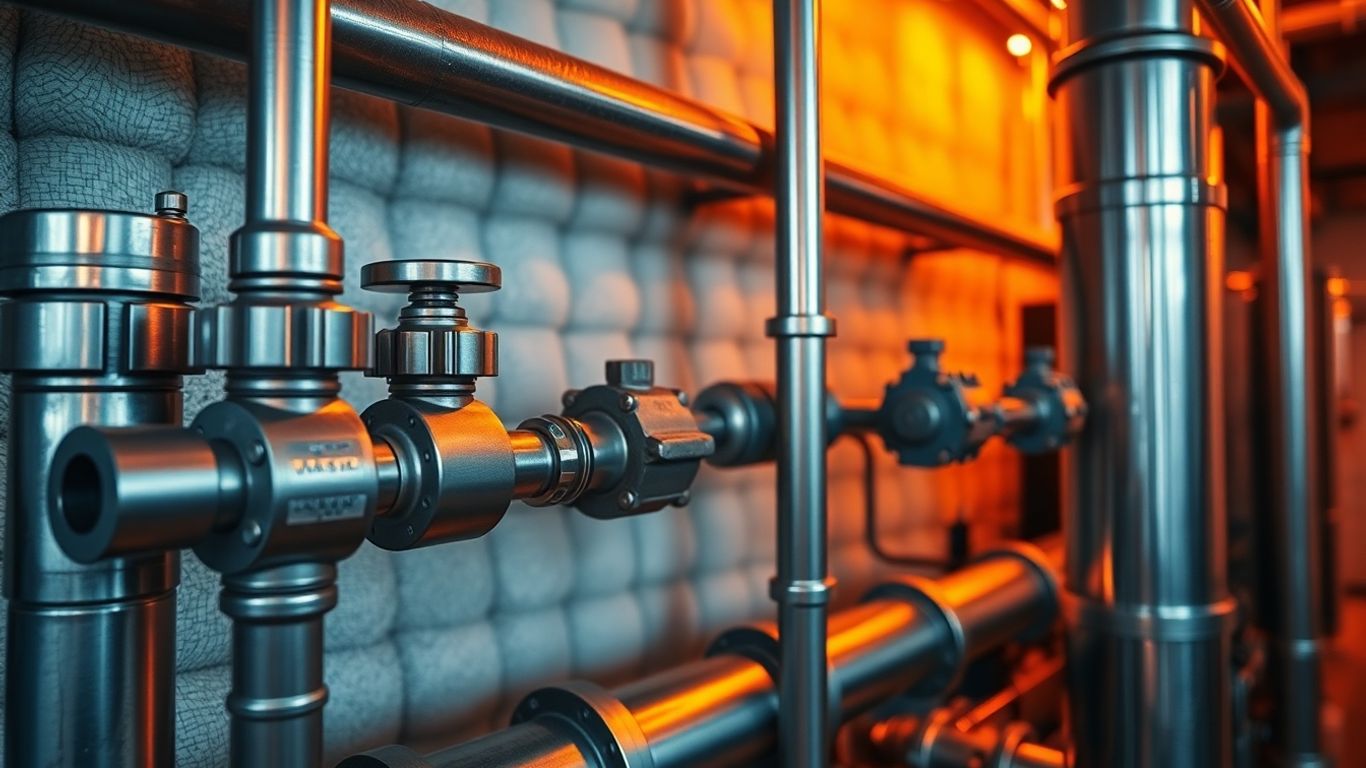
Keeping your gas-fired thermic fluid heater running smoothly isn’t rocket science, but it does require a bit of attention. Think of it like taking care of a car; regular check-ups and using the right fluids make a big difference in how long it lasts and how well it performs. Consistent maintenance is key to preventing unexpected downtime and keeping your processes running without a hitch.
Regular Thermal Oil Quality Checks
The thermal oil is the heart of your heating system. Over time, it can break down due to heat and oxidation, which affects its ability to transfer heat efficiently and can even lead to system damage. You’ll want to keep an eye on a few things:
- Viscosity: Is the oil thicker or thinner than it should be? This can indicate breakdown or contamination.
- Acidity: High acidity means the oil is oxidizing and can start corroding your system’s metal parts.
- Carbon Content: Excessive carbon buildup can clog pipes and reduce heat transfer.
It’s a good idea to get your thermal oil tested periodically by a lab. They can give you a detailed report on its condition and tell you if it’s time for a change. This is way better than just waiting for something to go wrong.
Optimizing Burner Performance
Your heater’s burner is what gets everything going, so making sure it’s working right is pretty important. A well-tuned burner means better fuel efficiency and a cleaner burn, which is good for both your wallet and the environment.
- Visual Inspection: Look for any signs of soot buildup or uneven flame patterns. A healthy flame should be steady and blue or yellow-orange, depending on the burner type.
- Air-Fuel Ratio: This is a big one. Too much or too little air can lead to incomplete combustion, wasting fuel and creating harmful byproducts. Most modern heaters have controls for this, but they might need adjustment over time.
- Ignition System: Make sure the igniter is working reliably. A weak spark can cause ignition failures and repeated start-stop cycles, which aren’t great for the equipment.
If you’re not comfortable adjusting burner settings, it’s best to call in a professional. They have the tools and know-how to get it dialed in just right.
Scheduled Fluid Replacement and Inspections
Even with regular checks, thermal oil doesn’t last forever. Manufacturers usually provide guidelines on how often the fluid should be replaced based on operating hours and temperature. Ignoring this can lead to reduced performance and potential system damage.
Here’s a general idea of what to expect:
- Fluid Replacement: Depending on the type of thermal oil and how hard you’re running the heater, you might need to replace it every 1 to 5 years. Always use high-quality oils recommended by your heater’s manufacturer.
- System Flushing: Before adding new oil, it’s often recommended to flush the system to remove any sludge or residue left behind from the old oil.
- Annual Inspections: Beyond the oil itself, have a qualified technician perform a thorough inspection of the entire system at least once a year. This includes checking the pump, expansion tank, safety devices, and all piping for any signs of wear or leaks. For specialized systems, understanding their unique specifications is key, much like maintaining custom electric heaters.
Taking these steps might seem like a hassle, but they’re really just preventative measures. It’s about making sure your gas-fired thermic fluid heater keeps doing its job reliably for years to come, saving you from bigger headaches down the road.
Wrapping Up: Why Thermic Fluid Heaters Make Sense
So, we’ve gone over how these gas-fired thermic fluid heaters work and why they’re a solid choice for a lot of different industries. They offer a way to get high temperatures without the hassle and risks that come with high-pressure steam. Plus, they don’t need as much upkeep, which can save you money in the long run. When you’re looking to upgrade your heating setup or starting fresh, picking the right thermic fluid heater, maybe from a company like Thermodyne, really seems like a smart move for keeping things running smoothly and efficiently. Just remember to think about your specific needs, like the fuel you’ll use and the temperatures you need, before you buy.
Frequently Asked Questions
What exactly is a gas-fired thermic fluid heater?
Think of a thermic fluid heater as a special oven for industrial jobs. Instead of using steam, it heats up a special oil. This hot oil then travels through pipes to warm up other machines or materials needed for making things. A gas-fired one uses natural gas or propane to heat up that special oil.
How does it work differently from a steam boiler?
Steam boilers create steam using high pressure, which can be risky. Thermic fluid heaters, on the other hand, heat up a special liquid to very high temperatures but keep the pressure very low. This makes them much safer to use and often more efficient because you don’t lose heat like you can with steam.
What are the main parts of this heating system?
The system has a few key parts. There’s a part where the gas burns to create heat (like a furnace), coils that the special oil flows through to get hot, a pump to move the hot oil around, a tank for extra oil, and a control panel to keep everything running safely. Pipes connect everything to move the heat where it’s needed.
Why would a factory choose a gas-fired heater over other types?
Gas is often a readily available and clean fuel. These heaters are good because they can reach very high temperatures without needing high pressure, which is safer. They also tend to be more energy-efficient than steam systems because less heat is lost, and they don’t need as much upkeep.
What kinds of factories use these heaters?
Lots of different factories use them! They’re great for making things like plywood and furniture, in chemical plants, for making medicines, in food processing to cook or dry things, and even in textile factories for dyeing fabrics. Anywhere that needs steady, high heat without the dangers of high-pressure steam.
How do I make sure my thermic fluid heater keeps working well?
It’s important to check the special oil regularly to make sure it’s still good for heating. You also need to make sure the part that burns the gas is working right and clean. Following the instructions for when to change the oil and getting the heater checked by a professional every so often will help it last longer and work better.