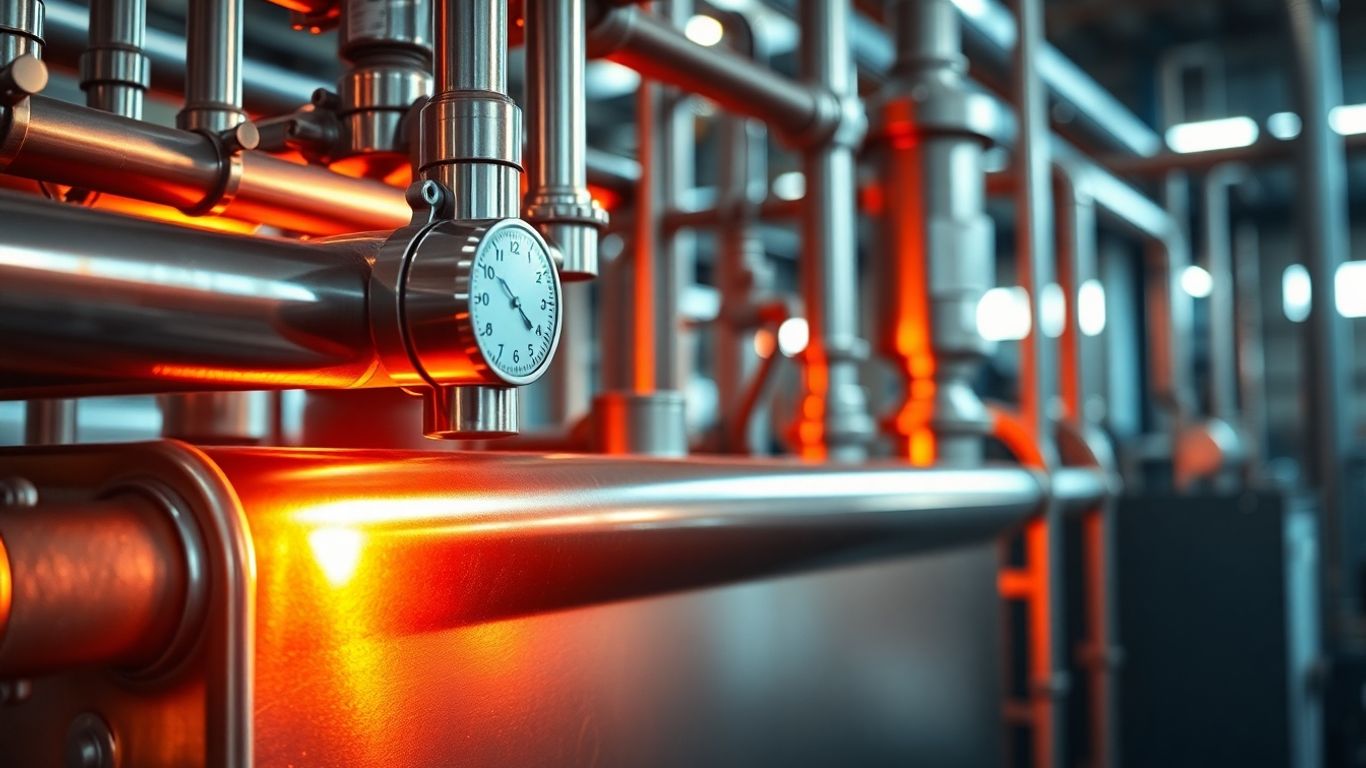
In the busy world of industry, getting the heat just right for different processes is super important. Things have to be safe, efficient, and not cost a fortune to run. That’s where the electric thermic fluid heater comes in. It’s a pretty neat piece of equipment that’s changing how a lot of factories and plants handle their heating needs. Forget about complicated, high-pressure systems; these heaters offer a simpler, safer, and often more effective way to get the job done. We’re going to break down what makes them so good and where you might find them working their magic.
Key Takeaways
- An electric thermic fluid heater uses a special fluid to move heat around, allowing for high temperatures without needing high pressure. This makes them safer than systems like steam boilers.
- These heaters are really good at saving energy. They can reach high temperatures without losing as much heat as other methods, which means lower bills for the company.
- Getting the temperature exactly where you need it is a big plus. This precision is a lifesaver for industries like food production or making medicines where exact heat levels are critical.
- While they might cost a bit more upfront, electric thermic fluid heaters tend to save money in the long run. They use less energy and don’t need as much fixing up, cutting down on maintenance costs.
- You can find these heaters used in all sorts of places, from making chemicals and food to processing textiles and more. They’re flexible and can be adapted to many different industrial jobs.
Table of Contents
Understanding The Electric Thermic Fluid Heater
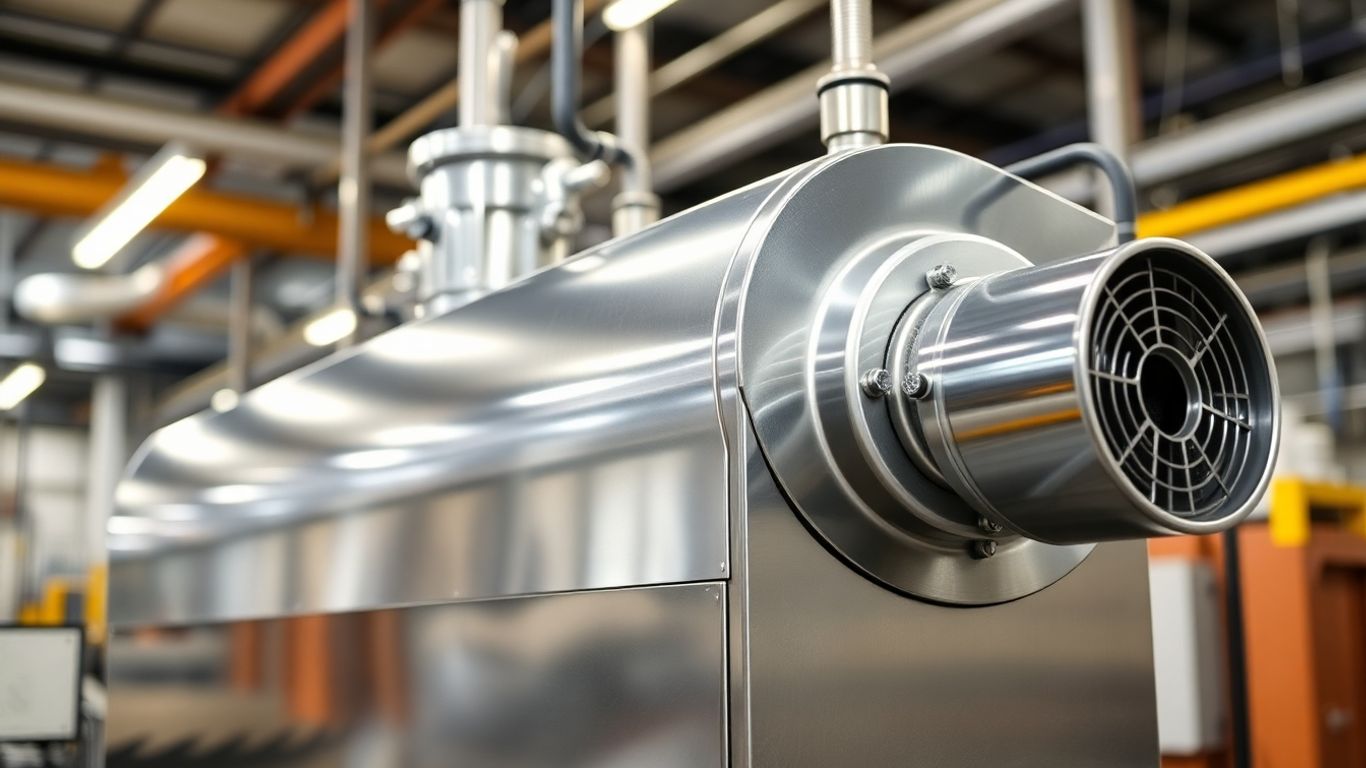
When you’re looking to heat up industrial processes, especially those that need consistent, high temperatures without the hassle of high-pressure steam, an electric thermic fluid heater is a really solid option. Think of it as a smart way to get heat where you need it, safely and efficiently. It’s not just about boiling water; it’s about precise temperature management for all sorts of manufacturing.
What Is A Thermic Fluid Heater?
A thermic fluid heater, sometimes called a thermal fluid heater or even a thermic oil heater, is basically a system that uses a special type of oil, called thermal fluid, to move heat around. Instead of dealing with steam, which needs high pressure and can be tricky, these heaters use this oil. They can get things really hot – we’re talking up to 400°C (750°F) – but they do it at normal atmospheric pressure. This makes them much safer to operate. The whole system is usually a closed loop, meaning the thermal fluid stays inside, which cuts down on corrosion and stops you from losing fluid. It also means you don’t have to worry about treating water like you would with a steam boiler.
Thermic Fluid Heater Working Principle Explained
The way these heaters work is pretty straightforward, which is part of their appeal. First, you have a combustion chamber where fuel (like gas, oil, or even electricity) heats up a set of coils. This is where the magic happens: the thermal fluid flows through these coils and picks up the heat. Then, a pump circulates this hot fluid through a closed loop to wherever the heat is needed – maybe to a dryer, a reactor, or a press. Once the fluid has given up its heat, it flows back to the heater to get warmed up again. It’s a continuous cycle.
Here’s a quick rundown of the process:
- Heat Generation: Fuel is burned or electricity is used to heat the coils.
- Fluid Heating: Thermal fluid absorbs the heat as it passes through the coils.
- Circulation: A pump moves the heated fluid to the process equipment.
- Heat Transfer: The fluid transfers its heat to the machinery or product.
- Return: The cooled fluid returns to the heater to be reheated.
This setup is great because it avoids the high pressures and complexities associated with steam systems, leading to less maintenance and fewer safety concerns.
Key Components Of A Thermic Fluid Heater System
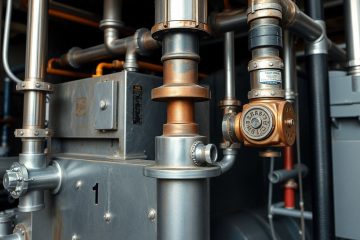
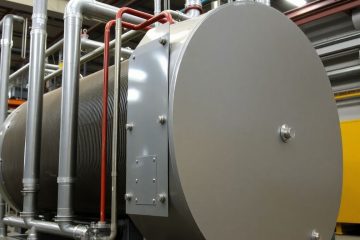
A typical thermic fluid heater setup isn’t overly complicated, but it has a few main parts that work together. You’ve got the part that generates the heat, usually a burner or electric elements inside a combustion chamber. Then there are the heating coils, which are designed to transfer that heat efficiently to the fluid. A circulation pump is vital for moving the hot fluid around the system. You’ll also find an expansion tank, which is important because the thermal fluid expands when it gets hot. Finally, there’s a control panel that monitors everything and includes safety features to keep the system running smoothly and safely. All these parts are connected by insulated pipes to keep the heat loss to a minimum.
The core idea is to use a stable, high-boiling point fluid to carry heat, allowing for precise temperature control at low pressures, which is a significant advantage over steam systems in many industrial settings.
Advantages Of Electric Thermic Fluid Heaters
When you’re looking at ways to heat up your industrial processes, electric thermic fluid heaters really stand out. They bring a bunch of good things to the table that other systems just don’t match. It’s not just about getting things hot; it’s about doing it smartly and safely.
Superior Energy Efficiency
One of the biggest wins with these heaters is how much energy they save. Unlike steam boilers that need a lot of pressure to get to high temperatures, thermic fluid systems can reach those same temps without all the fuss of high pressure. This means less energy gets wasted, which is great for your wallet and the environment. This focus on efficiency translates directly into lower operational costs. Think about it: less fuel burned means less money spent, day in and day out. It’s a pretty straightforward benefit that makes a real difference over time.
Precise Temperature Control Capabilities
If your process needs a very specific temperature, these heaters are your best bet. They use a special fluid to move the heat around, and this lets you dial in the exact temperature you need, often between 200°C and 400°C. This kind of accuracy is a big deal, especially in places like food production or when making medicines, where even a few degrees off can mess things up. You get consistent results because the temperature stays steady, no fluctuations to worry about. This level of control is hard to find with other heating methods.
Enhanced Operational Safety
Safety is always a top concern in any industrial setting, and electric thermic fluid heaters really shine here. Because they don’t rely on high-pressure systems, the risk of leaks or explosions is way lower. This makes them a much safer choice, especially for operations that have strict safety rules. You can achieve high temperatures without the dangers that come with pressurized equipment. It’s a simpler, safer way to get the heat you need, giving everyone peace of mind.
Operating at atmospheric pressure significantly reduces the inherent risks associated with high-pressure steam systems, making thermic fluid heaters a more secure option for many industrial environments.
Here’s a quick look at why they’re safer:
- No High Pressure: Eliminates the risks tied to pressurized vessels and piping.
- Reduced Leak Potential: The system is less prone to leaks compared to high-pressure steam setups.
- Stable Fluid: The thermic fluid itself is designed to be stable, further contributing to system safety.
Choosing an electric thermic fluid heater means you’re not just getting heat; you’re getting a more efficient, precise, and safer way to run your operations. It’s a smart move for any business looking to improve its processes. If you’re curious about how these systems compare to other options, looking into thermic fluid heaters versus steam boilers can offer some good insights.
Cost-Effectiveness And Longevity
When you’re looking at industrial heating, it’s easy to get caught up in the upfront price tag. But with electric thermic fluid heaters, the real story is about what happens after you buy. These systems are built to save you money over the long haul. Think of it as an investment that pays you back through reduced operating costs and fewer headaches.
Long-Term Savings Justify Investment
Sure, the initial cost might seem a bit higher compared to some simpler heating methods. However, that initial outlay quickly becomes worthwhile. Because these heaters are so efficient at transferring heat, you’re not wasting energy. This means lower fuel bills, plain and simple. Plus, they operate at lower pressures than steam boilers, which cuts down on the energy needed to maintain those high temperatures. It’s a smart way to keep your operational expenses down, year after year. For many businesses, especially those in sectors like plywood or textiles, finding a cost-effective solution is key, and these heaters fit the bill nicely. You can explore options that are designed as an alternative to traditional steam boilers, providing efficient heating for various industrial processes.
Reduced Maintenance Requirements
One of the biggest perks of a thermic fluid heater is how little attention it demands. The fluid itself is designed to handle high temperatures without breaking down easily, and the system doesn’t have all the high-pressure components that can wear out or leak. This means fewer parts to fix or replace. You’re looking at less downtime for repairs and a more reliable operation overall. It’s a welcome change from systems that seem to need constant tinkering.
Maximizing Heater Lifespan Through Maintenance
To really get the most out of your electric thermic fluid heater, a little bit of regular care goes a long way. It’s not complicated, but it does require a bit of attention. Here’s a quick rundown of what helps:
- Keep an eye on the fluid level: Make sure it’s always topped up as recommended.
- Monitor temperature differences: Check the gap between the fluid going out and coming back. A big difference can signal issues.
- Schedule check-ups: Have a professional look at the system periodically. They can spot small problems before they turn into big ones.
- Fluid sampling: Regularly testing the thermic fluid can catch degradation early. This prevents the fluid from becoming less effective and causing the system to work harder than it needs to.
Taking these simple steps helps prevent issues like fluid breakdown or contamination. When the fluid degrades, it can make pumps work harder, wasting energy and potentially damaging components. Catching these problems early means you can often fix them with minor adjustments, saving you from costly repairs or even a full system shutdown. It’s all about being proactive to keep things running smoothly for as long as possible.
By sticking to a maintenance plan, you’re not just keeping your heater in good shape; you’re actively extending its life and making sure it performs at its best. This commitment to upkeep is what truly turns the initial investment into a long-term success story for your plant’s heating needs.
Versatility In Industrial Applications
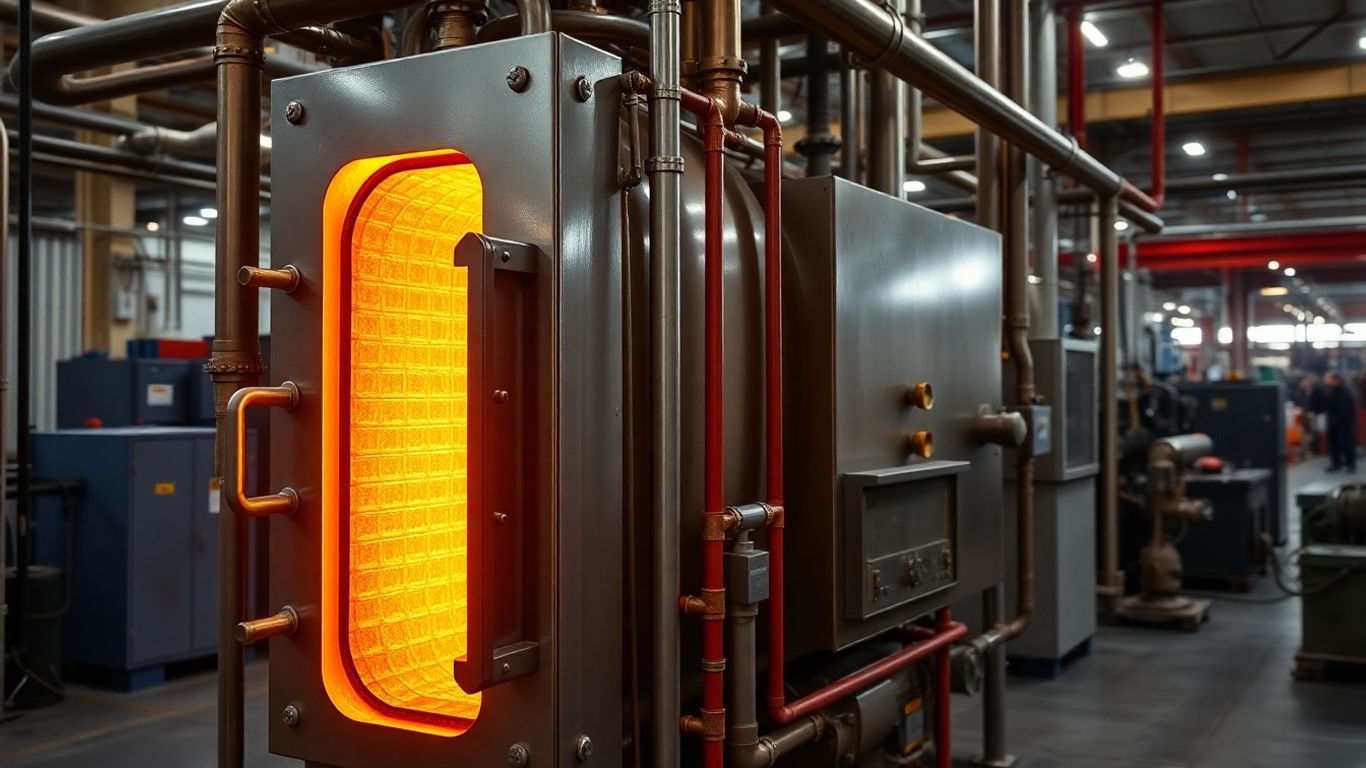
Electric thermic fluid heaters are really something else when you look at how many different jobs they can do. It’s not just one or two industries that benefit; it’s a whole bunch. They’re pretty adaptable, which is a big deal for companies trying to keep things running smoothly and efficiently.
Adaptable Across Diverse Industries
What makes these heaters so useful is their ability to handle a wide range of temperatures without needing a lot of pressure. This means they can be used for everything from gentle warming to really high-heat processes. Think about it: you can use the same basic technology for different tasks in different places. It’s like having a multi-tool for heat.
- Plywood and Laminates: They’re used for hot presses and coating lines where keeping a steady surface temperature is key.
- Bitumen Plants: They keep sticky stuff like bitumen warm enough to actually work with.
- General Manufacturing: Many other plants use them for various heating needs that don’t require steam.
Ideal For Chemical And Pharmaceutical Processes
In the chemical and pharmaceutical worlds, precision is everything. You can’t just guess at temperatures; you need to be exact. Electric thermic fluid heaters let you do just that. They heat up reactors, dryers, and distillation equipment with a lot of control. This is super important for making sure reactions happen correctly and that products are dried properly without getting ruined.
The ability to maintain exact temperatures, often between 200°C and 400°C, is a major win for these sensitive industries. It reduces the chance of errors and helps ensure product quality.
Applications In Food Processing And Textiles
When it comes to food, you need heat that’s safe and controlled. These heaters are great for things like pasteurizing milk, dehydrating fruits, or even in cooking and packaging lines. They provide indirect heat, which is often preferred. In the textile industry, they’re used for dyeing fabrics, drying them out, and heat-setting processes. The flexibility to adjust temperatures for different stages, like low heat for drying and higher heat for printing, makes them a solid choice.
Here’s a quick look at some common uses:
| Industry | Application Examples |
|---|---|
| Food Processing | Pasteurization, dehydration, cooking, packaging |
| Textiles | Dyeing, drying, heat-setting, printing |
| Pharmaceuticals | Drying, tablet coating, chemical synthesis |
| Chemical | Polymerization, drying, reaction heating |
Comparing Thermic Fluid Heaters With Other Systems
When you’re looking at how to heat things up in an industrial setting, it’s easy to get lost in all the options. But really, it often comes down to a few main types of systems. Let’s break down how electric thermic fluid heaters stack up against the usual suspects: steam boilers and other electric heating methods.
Thermic Fluid Heaters Versus Steam Boilers
Think about steam boilers. They’ve been around forever, right? They work by boiling water to create steam, which then carries the heat. The big thing here is pressure. To get those high temperatures needed for many industrial jobs, steam boilers have to operate under significant pressure. This means more complex engineering, more safety checks, and a higher risk if something goes wrong. A leak or a failure under high pressure can be pretty serious.
Thermic fluid heaters, on the other hand, use a special liquid that can handle high temperatures without needing a lot of pressure. This low-pressure operation is a major safety advantage. It simplifies the system, reduces the chances of leaks, and makes them generally easier and safer to manage. Plus, you don’t have to worry about water treatment like you do with steam boilers, which cuts down on maintenance headaches and costs.
Here’s a quick look:
| Feature | Thermic Fluid Heater | Steam Boiler |
|---|---|---|
| Operating Pressure | Low (Atmospheric) | High |
| Safety Risk | Lower | Higher |
| Water Treatment | Not Required | Required |
| Temperature Control | Precise | Can be less precise |
Thermic Fluid Heaters Versus Electric Heating Systems
Now, let’s talk about electric heating systems. For small jobs or very specific, localized heating needs, electric heaters can be fine. They’re often simple to install and use. But when you need to heat large volumes or maintain high temperatures consistently across a big operation, they can start to fall short. The cost of electricity can also add up quickly, especially for continuous, high-demand processes.
Thermic fluid heaters, especially those that use fuels like natural gas or oil, can be more economical for these larger-scale, high-temperature applications. They offer a more efficient way to transfer heat throughout a plant. While electric thermic fluid heaters do exist and offer precise control, when comparing to fuel-fired thermic fluid heaters, the cost-effectiveness for large industrial loads often leans towards the fuel-based systems due to the price of electricity.
The choice between these systems really hinges on your specific needs. If you need to heat a small lab space, a simple electric heater might do the trick. But for a factory floor that needs consistent, high-temperature heat across multiple processes, a thermic fluid system, whether electric or fuel-fired, usually makes more sense. It’s about matching the heating solution to the scale and demands of your operation.
So, when you’re weighing your options, think about the temperatures you need, the scale of your operation, and what level of safety and maintenance you’re comfortable with. It’s not just about getting hot; it’s about doing it efficiently and safely.
Selecting The Right Thermic Fluid Heater
So, you’ve decided a thermic fluid heater is the way to go. That’s great! But now comes the part where you actually pick one. It’s not just a one-size-fits-all deal, you know. Picking the right one means looking at a few things specific to your plant and what you’re trying to do.
Factors To Consider For Your Plant
Before you even start looking at models, you gotta figure out what your plant actually needs. Think about the temperatures you’re aiming for and how much heat you need at any given time. Also, what kind of fuel makes the most sense for you? Are you already set up for natural gas, or do you have access to cheaper solid fuels? The availability and cost of fuel can make a big difference in the long run.
Here are some key things to jot down:
- Maximum Operating Temperature: What’s the highest temp your process requires?
- Thermal Load: How much heat do you need to transfer?
- Fuel Availability & Cost: What fuels are readily available and affordable in your area?
- Space Constraints: How much room do you have for the heater and its associated equipment?
- Existing Infrastructure: Does it need to integrate with current systems?
It’s really about matching the heater’s capabilities to your specific operational demands.
Choosing The Right Thermic Fluid Heater For Your Industry
Different industries have different needs, and that’s where the versatility of thermic fluid heaters really shines. For example, if you’re in the chemical or pharmaceutical sector, you’ll need really precise temperature control and a system that’s super reliable to avoid process disruptions. Food processing might have different requirements, like needing indirect heating to keep things sanitary. Textile manufacturing often involves large drying or curing processes that need consistent, high heat.
Here’s a quick look at how needs can vary:
- Chemical/Pharma: High precision, reliability, low-pressure operation. Think about specific descriptive phrase for your application.
- Food Processing: Indirect heating, sanitary design, consistent temperatures.
- Textiles: High volume heat transfer, consistent drying temperatures.
- Plywood/Laminates: Stable surface temperatures for presses and coating.
Picking the right heater isn’t just about the machine itself; it’s about how well it fits into your entire operation. Consider the long-term impact on your production, energy costs, and maintenance schedule. A little upfront research can save a lot of headaches down the road.
Wrapping Up: Why Thermic Fluid Heaters Make Sense
So, we’ve talked a lot about these thermic fluid heaters, and honestly, they seem like a pretty solid choice for a lot of industrial jobs. They’re good at saving energy, which means saving money, and that’s always a plus. Plus, they can hit those high temperatures without all the fuss and danger of high-pressure systems. It really boils down to them being a safer, more reliable way to get the heat you need for all sorts of processes, from making food to chemicals. If you’re looking to upgrade your heating setup, these heaters are definitely worth a closer look. They’re not just about heating things up; they’re about doing it smarter and more efficiently.
Frequently Asked Questions
What exactly is a thermic fluid heater?
Think of a thermic fluid heater as a special kind of oven for industries. Instead of using steam, it heats up a special oil. This hot oil then travels through pipes to warm up other machines or processes, like a giant hot water bottle for factories. It’s great because it can get really hot without needing a lot of pressure, which makes it safer.
How does a thermic fluid heater work?
It’s pretty simple! First, a burner or an electric coil heats up the special oil inside the heater. Then, a pump pushes this hot oil through a loop of pipes. As the hot oil flows, it gives its heat to whatever it’s connected to, like a machine that needs to be warm. After the oil cools down a bit, it comes back to the heater to get hot all over again. This keeps the heat flowing constantly.
Why are these heaters better than steam boilers?
Steam boilers need a lot of pressure to get hot, which can be dangerous if something goes wrong. Thermic fluid heaters, on the other hand, get very hot without needing high pressure. This means they are much safer to use. Plus, they don’t need special water treatments like steam boilers do, so they are often cheaper to run and take care of.
Are thermic fluid heaters good for saving energy?
Yes, they are! Because they don’t need high pressure and can reach high temperatures efficiently, they lose less energy compared to steam systems. This means industries can save money on fuel and lower their overall costs for running their equipment. It’s like having a more efficient engine for your factory’s heat.
Can I use a thermic fluid heater for any kind of factory?
These heaters are super flexible! They can be used in many different places. For example, they’re used in making chemicals, processing food, creating textiles, and even in making things like plywood. Because they can be set to very exact temperatures, they work well for all sorts of jobs that need just the right amount of heat.
Do these heaters need a lot of fixing?
Not usually! Compared to other heating systems, thermic fluid heaters often need less fixing. As long as you keep an eye on the special oil and do some basic checks now and then, they tend to last a long time and keep working without many problems. This saves time and money on repairs.