In today’s industrial world, getting heating processes just right is super important. That’s where thermic fluid heaters come in. These systems are used all over the place to heat things indirectly, reaching high temperatures without needing a lot of pressure. They’re known for saving energy, being accurate, and keeping things safe. Because of this, thermic fluid heaters are becoming a go-to choice for lots of different industries. Companies are looking for ways to make their production better and cheaper, and these heaters are helping them do just that. We’ll take a closer look at what thermic fluid heaters are, how they’re better than older heating methods, and why they’re so good for various industrial jobs.
Key Takeaways
- Thermic fluid heaters are great for high-temperature jobs without the high pressure that other systems need, making them safer and more efficient.
- They offer really good temperature control, which is a big deal for sensitive processes in places like food or drug manufacturing.
- Compared to steam boilers, thermic fluid heaters often mean less maintenance because you don’t have to deal with water treatment.
- While they might cost a bit more upfront, they usually save money in the long run on fuel and upkeep.
- You can find thermic fluid heaters used in all sorts of industries, from making plywood and chemicals to processing food and textiles.
Table of Contents
Understanding Thermic Fluid Heater Technology
What is a Thermic Fluid Heater?
So, what exactly is a thermic fluid heater, or TFH for short? Think of it as a smart way to get high temperatures for your industrial jobs without all the fuss and danger of high-pressure steam. Instead of water turning into steam, these systems use a special thermic fluid, often an oil, to carry heat around. This fluid gets heated up and then circulated to wherever you need it, like in presses, dryers, or reactors. The whole setup runs in a closed loop, which is pretty neat because it means you don’t lose fluid and you avoid corrosion. This makes it a solid choice for a lot of different industrial jobs.
Thermic Fluid Heater Working Principle Explained
Let’s break down how these things actually work. It’s not overly complicated, really. First, you’ve got your fuel – could be gas, oil, or even solid stuff – burning in a chamber. This fire heats up a set of coils. Inside those coils is the thermic fluid. As the fluid flows through the hot coils, it picks up that heat. Then, a pump kicks in and circulates this hot fluid through pipes to your equipment. Your equipment uses that heat for whatever process it’s doing, and then the slightly cooler fluid flows back to the heater to get reheated. It’s a continuous cycle.
Here’s a quick rundown of the process:
- Combustion: Fuel is burned to create heat.
- Heat Transfer: The heat from combustion warms the thermic fluid in coils.
- Circulation: A pump moves the heated fluid to where it’s needed.
- Process Heating: The fluid transfers its heat to your machinery.
- Return: Cooled fluid returns to the heater to start again.
This closed-loop design is a big deal because it means you’re not dealing with the high pressures that steam systems need. That translates to fewer safety worries and less complicated equipment. It’s a system designed for consistent, reliable heat delivery, which is exactly what you want when you’re running a plant. You can find more details on how these systems operate on pages discussing thermic fluid heater applications.
Operating at lower pressures means less risk of leaks or explosions compared to steam systems. This makes them a much safer option for many industrial environments where safety is a top priority.
Key Advantages of Thermic Fluid Heaters
When you’re looking to heat things up in an industrial setting, thermic fluid heaters really stand out. They’re not just another piece of equipment; they bring a whole set of benefits that can make a big difference in how your plant runs. Think about efficiency, control, safety, and even your bottom line – these heaters tick a lot of boxes.
Energy Efficiency of Thermic Fluid Heaters
One of the biggest draws is how much energy they save. Unlike steam boilers that need a lot of pressure to get to high temperatures, thermic fluid systems can reach those same temps without all the fuss of high pressure. This means less energy is wasted, and that translates directly into lower fuel bills. It’s a pretty straightforward win for your operational costs.
Temperature Control with Thermic Fluid Heaters
Getting the temperature just right is super important for a lot of processes. Thermic fluid heaters are really good at this. They use a special fluid to move the heat, and this lets you keep the temperature exactly where you need it, often between 200°C and 400°C. This kind of precision is a lifesaver in places like food production or when making medicines, where even a small temperature swing can mess things up.
Safety Benefits of Thermic Fluid Heaters
Safety is always number one, right? Because these heaters don’t operate under high pressure, the risk of leaks or explosions is way down. This makes your workplace a lot safer. You get the high temperatures you need without the dangers that come with high-pressure gear, which is a big deal, especially if your industry has strict safety rules.
Cost-Effectiveness of Thermic Fluid Heaters
Okay, so the initial price tag might seem a bit steep sometimes. But when you look at the long run, the savings really add up. You’ll spend less on fuel, and because they’re so efficient and don’t need a ton of upkeep, your maintenance and repair costs stay low. Over time, they often end up being much cheaper to run than other heating methods.
Here’s a quick look at how they stack up:
- Lower Fuel Consumption: Achieved through high thermal efficiency.
- Reduced Maintenance: Fewer parts mean less can go wrong.
- Longer System Lifespan: Proper operation contributes to durability.
Operating at lower pressures significantly reduces the potential for catastrophic failures, making thermic fluid systems a more reliable choice for continuous industrial operations where downtime is costly and safety is paramount. The heat transfer fluid itself is also designed for high-temperature stability, further contributing to system longevity and predictable performance.
Industrial Applications of Thermic Fluid Heaters
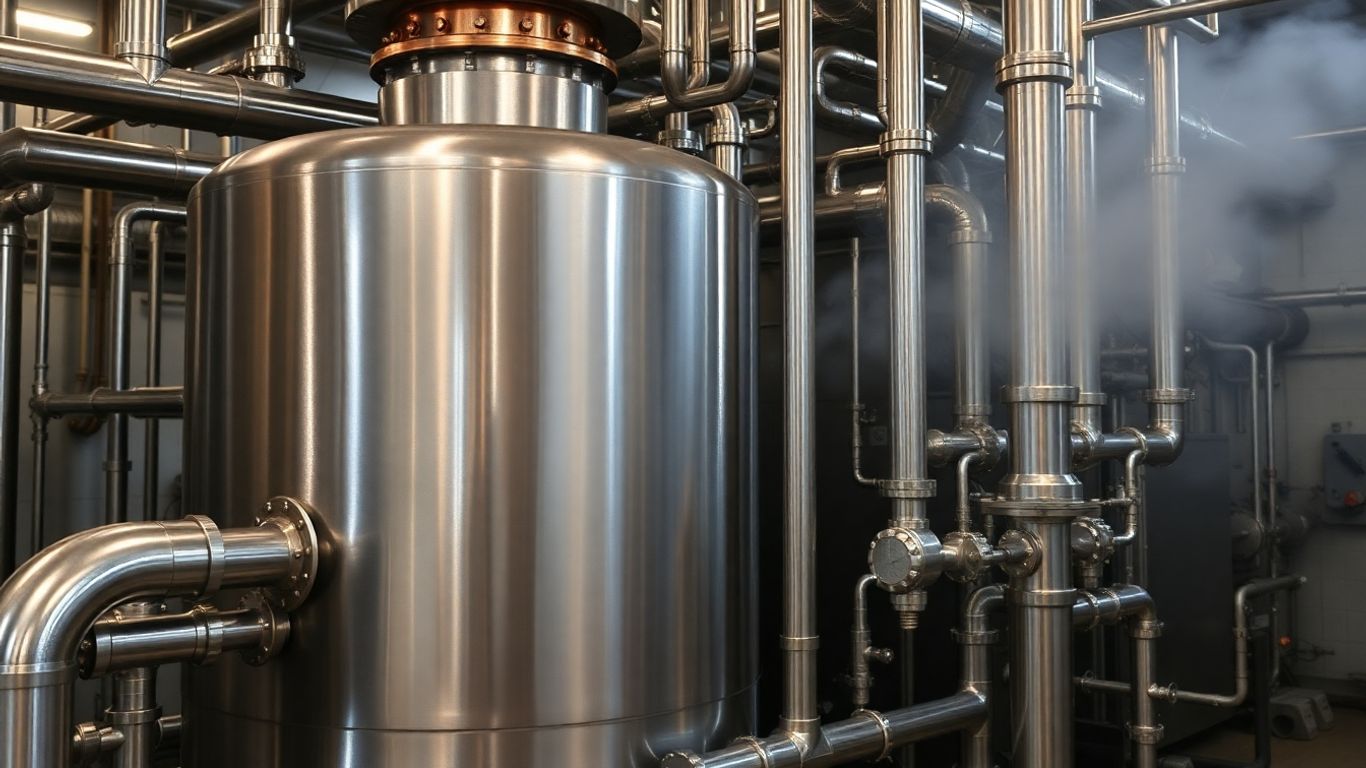
Thermic fluid heaters have really found their place in a bunch of different industries, and it’s not hard to see why. They’re super versatile and can handle a wide range of temperatures without getting all complicated with high pressures like steam boilers do. This makes them a go-to for processes that need steady, reliable heat.
Plywood & Laminate Industry Applications
In the plywood and laminate world, these heaters are pretty important. They’re used to keep things like hot presses and coating lines at just the right temperature. Consistent surface temperature is key here for making sure the glue sets properly and the finishes look good. Without that stable heat, you’d end up with warped boards or peeling laminate. It’s all about that precise, indirect heat transfer.
Chemical & Pharma Industry Applications
This is where things get a bit more serious, and precision really matters. In chemical and pharmaceutical plants, thermic fluid heaters are used to heat up reactors, dryers, and distillation units. Think about it: you need to control reactions, dry out sensitive compounds, or separate different substances. These heaters let you do that with a high degree of accuracy and, importantly, with less risk than high-pressure systems. It’s a big deal when you’re dealing with potentially volatile materials.
Textile Industry Applications
The textile industry uses thermic fluid heaters for a variety of tasks, from dyeing fabrics to drying them and setting the final shape. Processes like heat-setting, which gives fabrics their permanent form, require very specific and stable temperatures. Thermic fluid systems can deliver this heat efficiently, helping to ensure the quality and durability of the finished textiles. It’s a pretty neat application of controlled heating.
Food Processing & Bitumen Plant Applications
When it comes to food, indirect heating is often preferred for safety and quality. Thermic fluid heaters are used in things like frying systems, melting chocolate or other ingredients, and in pasteurization or cooking processes. They provide a clean, consistent heat source. On the other end of the spectrum, bitumen plants use them to keep thick, viscous materials like bitumen at a workable temperature so they can be pumped and processed. It’s a tough job, but these heaters handle it.
Here’s a quick look at how they stack up in some common scenarios:
| Industry | Typical Application |
|---|---|
| Plywood & Laminate | Hot presses, coating lines |
| Chemical & Pharma | Reactors, dryers, distillation units |
| Textile | Dyeing, drying, heat-setting |
| Food Processing | Frying, melting, pasteurization, cooking |
| Bitumen Plants | Heating viscous materials for processing |
The ability of thermic fluid heaters to provide high temperatures at low operating pressures is a significant advantage. This not only simplifies system design and reduces maintenance but also contributes to a safer working environment compared to high-pressure steam systems. The precise temperature control they offer is also a major plus for many sensitive industrial processes.
It’s clear that these heaters are more than just a way to generate heat; they’re a tool that helps industries run more efficiently, safely, and with better product quality. They’ve become a pretty standard piece of equipment in many manufacturing settings.
Selecting the Right Thermic Fluid Heater
So, you’re looking into thermic fluid heaters, huh? That’s a smart move for a lot of industrial jobs. But picking the right one isn’t just about grabbing the first one you see. It’s about matching the heater to exactly what your plant needs. Get it wrong, and you’re looking at wasted energy, downtime, or even safety issues. Let’s break down what you need to think about before you sign on the dotted line.
Factors to Consider Before Investing
Before you even start looking at specific models, you’ve got to do some homework. Think about your current setup and what you’re trying to achieve. It’s not a one-size-fits-all situation, not by a long shot.
Here are some of the big things to mull over:
- Your Thermal Load: How much heat do you actually need, and at what temperature? This is probably the most important question. You don’t want a heater that’s too small and can’t keep up, but one that’s way too big will just waste fuel.
- Available Fuel: What kind of fuel makes the most sense for your location and budget? You’ve got options like natural gas, LPG, diesel, furnace oil, and even solid fuels like coal or wood. Some heaters are built for just one, while others can handle a few different types.
- Space and Installation: Where is this thing going to go? Some heaters are pretty compact, while others need a bit more room. Think about ventilation and access for maintenance too.
- Budget: Obviously, cost is a factor. But don’t just look at the sticker price. Consider the long-term running costs, like fuel consumption and maintenance.
Choosing the Right Thermic Fluid Heater for Your Plant
Once you’ve got those basic factors figured out, you can start narrowing down your choices. It’s about finding that sweet spot where performance, cost, and your specific process needs all line up.
- Capacity and Output: This ties back to your thermal load. You’ll see heaters rated in terms of heat output (like Kcal/hr or kW). Make sure the one you choose can handle your peak demand with a little room to spare.
- Temperature Range: Most thermic fluid heaters can get pretty hot, often higher than steam boilers can safely go. But double-check the maximum operating temperature and make sure it fits your process requirements.
- Materials and Construction: Look for a heater that’s built to last. Stainless steel components are good, especially in corrosive environments. A well-insulated unit will also save you energy.
- Control System: How sophisticated do you need the controls to be? Basic on/off is one thing, but precise temperature control with digital readouts and safety interlocks is often worth the extra investment.
The quality of the thermic fluid itself is also a big deal. Using a good, certified fluid means better heat transfer, less breakdown over time, and a longer lifespan for your heater. Don’t skimp here; it’s like putting cheap oil in a sports car.
Fuel Flexibility in Thermic Fluid Heaters
One of the really neat things about many modern thermic fluid heaters is their ability to run on different types of fuel. This is a huge advantage, especially if fuel prices fluctuate or if your primary fuel source becomes unreliable.
Here’s a quick look at common fuel types:
- Gaseous Fuels: Natural gas and LPG are popular because they tend to burn cleaner and are often readily available. They usually require a good supply line.
- Liquid Fuels: Diesel, light diesel oil (LDO), and furnace oil are common choices. They offer good energy density but can be more expensive and sometimes produce more emissions.
- Solid Fuels: Coal, wood, or biomass briquettes can be a cost-effective option in some regions, especially if you have a local supply. However, they typically require more manual labor for feeding and ash removal, and emissions control can be more challenging.
- Electric: While less common for large industrial heating due to cost, electric heaters are an option for smaller or specialized applications where other fuels aren’t feasible.
When you’re choosing, think about which fuel is most economical and reliable for your specific location. Some manufacturers offer multi-fuel systems, which gives you even more flexibility.
Maintaining Your Thermic Fluid Heater System
Keeping your thermic fluid heater running smoothly is pretty straightforward, but it does need a bit of attention. Think of it like taking care of a car; regular check-ups prevent bigger headaches down the road. These systems are generally less demanding than steam boilers, which is a big plus. The thermic fluid itself is designed to handle high temperatures without breaking down too quickly, meaning less wear and tear on the parts. This translates to fewer unexpected shutdowns and a longer life for your equipment. Consistent maintenance is key to maximizing efficiency and preventing costly repairs.
Key Components of a Thermic Fluid Heater System
To understand maintenance, it helps to know what you’re working with. A typical thermic fluid heating system isn’t overly complicated, but each part plays a role:
- Combustion Chamber: This is where the heat is generated, either by a burner using fuel or an electric coil.
- Heating Coil: This is where the thermic fluid flows and absorbs the heat.
- Circulating Pump: This keeps the fluid moving through the system.
- Expansion Tank: It handles the expansion and contraction of the fluid as it heats and cools.
- Control Panel: This is the brain, managing temperature, pressure, and safety features.
- Insulated Pipelines: These carry the hot fluid to where it’s needed and back.
Maintenance Tips for Thermic Fluid Heaters
So, what exactly should you be doing? It’s not rocket science, but consistency matters. Here are some practical steps:
- Fluid Checks: Keep an eye on the thermic fluid itself. Check its level regularly and, importantly, its quality. Over time, the fluid can degrade, which affects its ability to transfer heat and can even cause damage. Look for signs of oxidation or contamination. If it looks dark or sludgy, it might be time for a change.
- Cleaning Schedule: The heating coils and other surfaces where heat transfer happens can get buildup. Keeping these clean is vital for maintaining efficiency. A dirty coil means less heat gets into the fluid, and your system has to work harder.
- Safety Inspections: Don’t skip these. Regular checks of the burner, pump, and control systems ensure everything is operating safely and within its designed parameters. This includes checking pressure gauges, temperature sensors, and any safety interlocks.
- Fluid Replacement: Thermic fluid doesn’t last forever. Follow the manufacturer’s recommendations for how often it should be flushed and replaced. This is a more involved task but is critical for the long-term health of your system.
A well-maintained thermic fluid heater operates at lower pressures than steam systems, which inherently makes them safer. However, neglecting basic checks can still lead to issues. Paying attention to the fluid’s condition and keeping the heat transfer surfaces clean are two of the most impactful maintenance activities you can perform regularly.
Thermic Fluid Heaters Versus Other Heating Systems
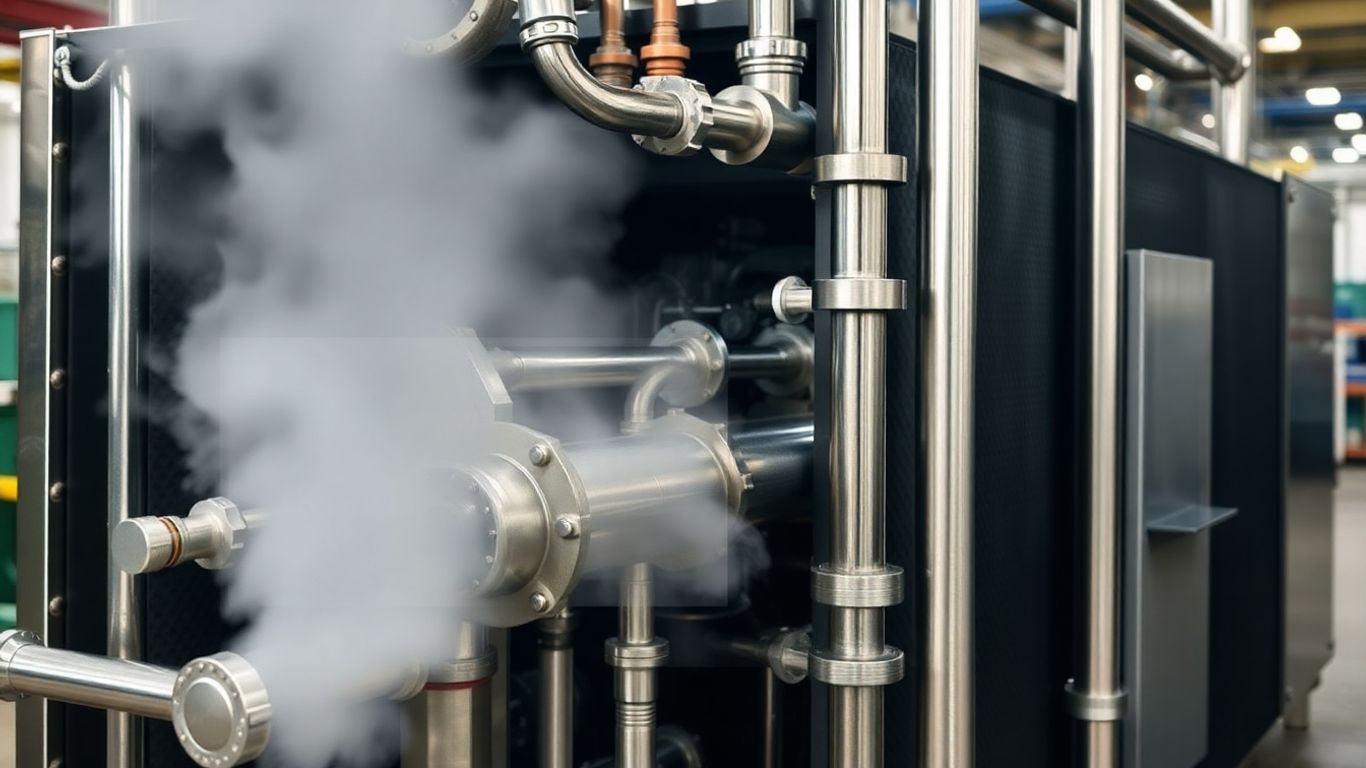
When you’re looking at how to heat up your industrial processes, it’s easy to get lost in all the options. You’ve got your old reliable steam boilers, those electric heaters that seem simple enough, and then there are thermic fluid heaters. Each has its own place, but let’s talk about why thermic fluid systems are often the better pick for a lot of jobs.
Thermic Fluid Heaters vs. Steam Boilers
Think about steam boilers. They work by boiling water to create steam, which then carries the heat. The big thing here is pressure. To get those high temperatures needed for many industrial tasks, steam boilers have to run under significant pressure. This means more complex engineering, more safety checks, and a higher risk if something goes wrong. A leak or a failure under high pressure can be pretty serious. Thermic fluid heaters, on the other hand, operate much more gently. They use a special fluid that can get really hot without needing a lot of pressure. This makes them inherently safer and simpler to manage. Plus, you don’t have to worry about all the water treatment that steam boilers often need, which cuts down on maintenance headaches and costs.
Thermic Fluid Heaters vs. Electric Heating Systems
Electric heaters are great for smaller jobs or very specific, localized heating. They’re easy to control and can be quite precise. But when you need to heat up a large factory or a big batch of material, electric heaters can start to get really expensive to run. The cost of electricity adds up fast, especially for high-temperature applications. Thermic fluid heaters, usually running on gas or oil, are often more economical for these larger-scale operations. They can reach those high temperatures efficiently and keep them steady without breaking the bank on energy bills. So, while electric might be good for a small lab setup, for big industrial needs, thermic fluid usually wins on cost and capacity.
Here’s a quick look at some general differences:
| Feature | Thermic Fluid Heater | Steam Boiler | Electric Heater |
|---|---|---|---|
| Operating Pressure | Low (Atmospheric) | High | Low (Atmospheric) |
| Temperature Range | High | High | Moderate to High |
| Safety Risk | Lower | Higher | Lower |
| Energy Cost (Large Scale) | Moderate | Moderate to High | High |
| Maintenance | Lower | Higher | Lower |
Ultimately, the choice between these systems comes down to what you’re trying to achieve. If you need consistent, high temperatures without the hassle and risk of high pressure, and you’re looking at a larger scale operation, a thermic fluid heater is usually the way to go. They offer a good balance of safety, efficiency, and cost-effectiveness that’s hard to beat for many industrial applications.
Wrapping Things Up
So, when you look at everything these thermic fluid heaters can do, it’s pretty clear they’re a solid choice for a lot of industrial jobs. They handle high temperatures without all the fuss of high pressure, which is a big plus for safety and keeping things running smoothly. Plus, they don’t need a ton of complicated water treatment like some other systems, saving you time and money on upkeep. Whether you’re in chemicals, textiles, or food processing, these heaters offer a reliable way to get the heat you need, efficiently and safely. If you’re looking to make your plant’s heating process better, these heaters are definitely worth a closer look.
Frequently Asked Questions
What exactly is a thermic fluid heater?
Think of a thermic fluid heater as a special oven for industries. It heats up a special liquid, like oil, which then carries that heat to where it’s needed in the factory. It’s great because it can get things really hot without needing a lot of pressure, which makes it safer and uses less energy than some other heating methods.
How does a thermic fluid heater actually work?
It starts with burning fuel, like gas or oil, to heat up special tubes. A liquid called thermic fluid flows through these tubes and gets very hot. Then, a pump pushes this hot fluid through pipes to the machines or areas that need heating. After it gives off its heat, the cooler fluid returns to the heater to get hot all over again, like a continuous cycle.
Why are these heaters so good at saving energy?
They are super efficient because they can reach very high temperatures without needing high pressure. This means less energy is wasted trying to build up pressure. Also, they lose less heat to the surroundings because they are well-insulated, so more of the heat from the fuel actually goes to where it’s needed.
Can I control the temperature really precisely with these heaters?
Yes, that’s one of their best features! Because they use a special fluid to carry the heat, you can set and keep the temperature very exact. This is super important for industries like food or medicine where even a small change in temperature can mess things up.
Are thermic fluid heaters safe to use?
They are generally much safer than systems that use high-pressure steam. Since they work at normal pressure, there’s less risk of dangerous leaks or explosions. This makes them a better choice for factories where safety is a top priority.
What kind of jobs can these heaters do in factories?
They’re used in tons of places! Think about making wood panels (plywood), chemicals, medicines, or even cooking food. They help with drying things, cooking, keeping materials melted, and making sure machines run at the right hot temperatures for different jobs.