
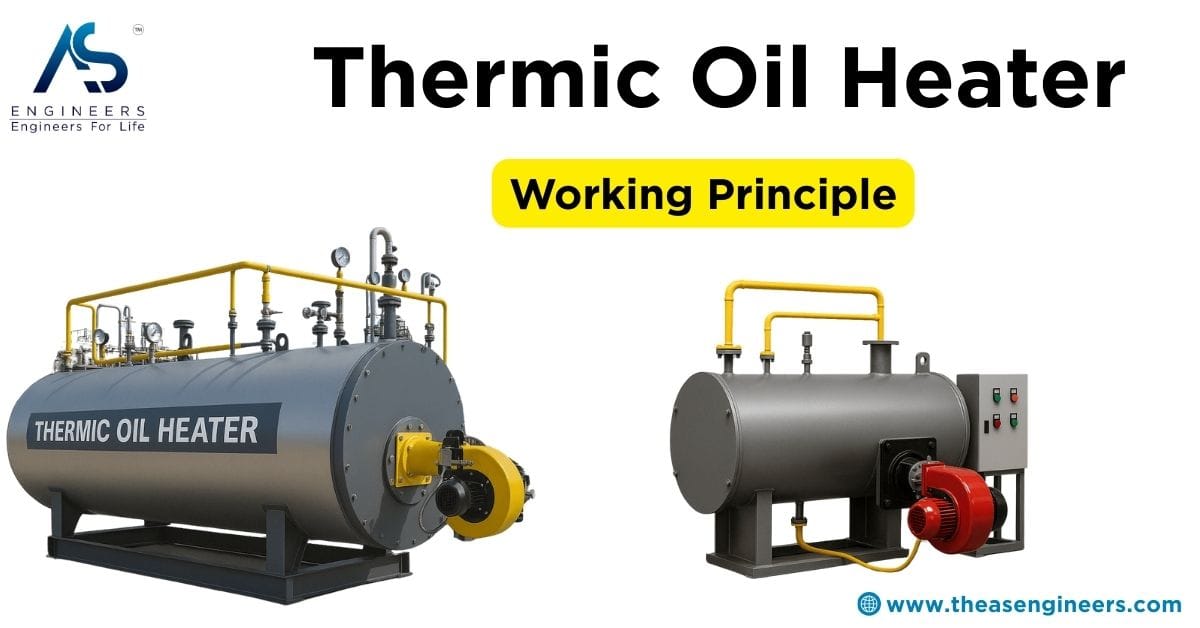
Have you ever wondered why certain industries rely on specialized heating methods like thermic oil heaters instead of steam boilers? This choice often boils down to superior temperature control, energy savings, and reduced risk of corrosion. In this comprehensive guide, you will discover the thermic oil heater working principle, learn how it improves industrial processes, and see why it outperforms many traditional systems. If you need a dependable heating solution that offers consistent thermal performance, then understanding thermic oil heaters could be your game-changer. By the end of this article, you will have all the insights you need to select, operate, and maintain these versatile systems.
Table of Contents
Understanding the Basics of Thermic Oil Heaters
Thermic oil heaters, sometimes called thermal fluid heaters or hot oil heaters, are industrial heating systems that use heat transfer fluids rather than water or steam. Unlike steam boilers, which rely on high-pressure steam to deliver heat, thermic oil heaters circulate thermal oil at relatively lower pressures. They are popular in industries where precise temperature regulation is essential, or where processes demand higher temperatures than steam can efficiently provide.
Key Characteristics
- High Temperature, Low Pressure
Thermic oil heaters can reach temperatures up to 300°C (or even higher) without requiring the extremely high pressures that steam systems need. This lower operating pressure often simplifies both system design and maintenance routines. - Closed-Loop Circulation
The circulating oil moves through a closed loop. Once it absorbs heat from the combustion chamber, it transfers this heat to the desired process, then returns to the heater for another cycle. This closed-loop approach helps minimize fluid losses, increasing both efficiency and safety. - Temperature Uniformity
Because these systems use specialized heat transfer fluids, the temperature remains relatively stable throughout the circuit. This uniformity is beneficial for processes that require consistent thermal conditions. - Energy Efficiency
Thermic oil heaters often boast a high thermal efficiency, sometimes exceeding 80% or 90%, depending on design and operating conditions. Their high efficiency stems from optimized burner technology, heat exchanger design, and minimized heat loss through insulation.
Why Thermic Oil Instead of Steam?
Steam boilers dominated industrial heating for decades. However, some processes need higher temperatures than practical or safe for steam systems. Steam can theoretically reach high temperatures, but doing so requires extremely high pressures that introduce more complexity and risk. Thermic oil operates at near-atmospheric pressure yet achieves similar—or even higher—temperatures, making it a highly attractive choice.
Furthermore, steam boilers can be prone to scaling, corrosion, and water treatment complexities. In contrast, thermic fluid systems are less susceptible to corrosion, assuming the oil is well-maintained and free from moisture. These differences explain why thermic oil heaters are now prevalent in everything from the food industry to chemical plants.
Key Components of a Thermic Oil Heater
Understanding the primary components helps you appreciate how the thermic oil heater working principle translates into real-world efficiency. Below are the essential parts:
- Combustion Chamber or Burner
The heart of any thermic oil heater is its burner assembly. This component mixes fuel (natural gas, diesel, or other fuels) with air to produce a controlled flame. Modern burners often feature sophisticated controls, allowing operators to fine-tune air-to-fuel ratios for optimal combustion and minimal emissions. - Heating Coil or Heat Exchanger
Inside the thermic oil heater, you typically find a coil-like heat exchanger. The hot combustion gases flow around these coils, transferring heat to the fluid within. The design might be serpentine or spiral-shaped, maximizing surface area to ensure even heat distribution and efficient thermal transfer. - Circulation Pump
A robust circulation pump moves the heat transfer fluid (thermal oil) through the system. The pump’s capacity and design must match the specific flow rate and head pressure to ensure that the hot oil reaches all required points of use. - Expansion Tank
As oil heats, it expands. The expansion tank accommodates fluid expansion and contraction, preventing damage to the system. It also helps remove any entrained air or gases that might compromise performance. - Control Panel
Modern thermic oil heaters often come with advanced control systems. These panels monitor temperature, pressure, flow rate, and burner performance. Many advanced models allow operators to set multiple heating zones or levels, enabling precise heat delivery where needed. - Insulation and Outer Casing
Because thermic oil systems can run at very high temperatures, insulation is critical. Good insulation reduces heat loss, improves efficiency, and enhances operator safety. The outer casing provides structural support and additional safety barriers.
By understanding these components, you have a clearer sense of how the heater functions as an integrated system. Each part plays a vital role in maintaining optimal conditions for your industrial processes.
The Thermic Oil Heater Working Principle
Although the specifics can vary by design and manufacturer, most thermic oil heaters follow a similar operational pattern. This section offers an in-depth look at each phase of the process, illustrating how high temperatures and stable performance come together in a closed-loop system.
Step 1: Fuel Combustion
The thermic oil heater starts with a burner system that combusts a chosen fuel—often natural gas, propane, diesel, or fuel oil. When the burner ignites the fuel, hot gases form. The burner assembly ensures the right air-to-fuel ratio, optimizing combustion and producing a controlled, efficient flame.
Step 2: Heat Transfer in the Coil
The combustion gases pass around a tightly wound coil or a series of coils inside the heater’s main chamber. The thermal oil circulates within these coils. As the hot gases contact the coil surface, heat transfers by conduction and convection into the fluid. Advanced designs may include multiple passes for the gases, ensuring maximum heat absorption before the flue gases exit the chimney.
Step 3: Fluid Circulation
A motor-driven pump keeps the thermal oil moving through the system. Because the oil flows continuously, it absorbs heat from the burner section and immediately transports it to the process equipment or heat exchanger. This cyclical movement is fundamental: the oil never stops flowing unless the system shuts down for maintenance or an emergency.
Step 4: Heat Delivery to Processes
After absorbing heat, the oil travels through insulated piping to the process equipment. This equipment can be a dryer, an indirect heat exchanger, a jacketed vessel, or any other apparatus requiring high temperatures. The oil releases a portion of its heat to the process materials—whether it’s used to dry sludge in a paddle dryer, heat chemicals in a reactor, or maintain high-temperature conditions in a pressing machine for composite materials.
Step 5: Return Loop and Temperature Regulation
Once the oil transfers its heat, it returns to the heater at a slightly lower temperature. The control system senses the temperature drop and adjusts the burner output as needed. The cycle continues, maintaining a stable temperature range within the fluid. An expansion tank accommodates any changes in fluid volume and helps remove entrained air.
Key Control Points
- Temperature Setpoints: Operators can set the desired temperature. If the process calls for 250°C, the burner and control system work together to maintain that temperature.
- Flow Rate: The circulation pump’s speed or capacity can be adjusted to change how quickly the fluid moves through the system, affecting heat distribution.
- Burner Modulation: Modern heaters often feature modulating burners, which can ramp up or down, matching heat output to demand and ensuring fuel efficiency.
Through these steps, thermic oil heaters deliver heat efficiently to where it is needed, all while operating at safe, relatively low pressures.
Advantages of Thermic Oil Heaters Over Steam Boilers
Choosing the right industrial heating system can significantly affect your operational costs, product quality, and long-term reliability. While steam boilers have their place, thermic oil heaters provide a compelling alternative.
- Lower Operating Pressure
Thermic oil systems can deliver temperatures above 300°C without exceeding atmospheric pressure significantly. This design can reduce risks related to high-pressure steam systems, simplify regulatory compliance, and even lower insurance costs. - Energy Savings
Thermic oil heaters often boast high combustion efficiencies. Plus, they avoid many of the energy losses typically associated with steam systems—such as blowdown, condensate return lines, and steam traps. This high level of efficiency can result in substantial fuel savings over the heater’s lifespan. - Improved Temperature Control
Thermic oil heaters are known for precise temperature management. Operators can quickly adjust system controls to fine-tune process temperatures, which is critical in industries like food processing, chemical manufacturing, and pharmaceuticals. - Minimal Corrosion and Scaling
Steam boiler systems can suffer from scale buildup and corrosion, especially if water treatment is inadequate. In contrast, thermic fluids lack the dissolved solids or corrosive properties of water-based systems, reducing the risk of scale accumulation and corrosion. - Reduced Maintenance
Because there is no need to blow down the system or manage steam traps, routine maintenance for thermic oil heaters can be simpler. Still, you do have to replace the oil over time if it degrades or becomes contaminated. - Longer Operational Lifespans
A well-maintained thermic oil heater can run efficiently for many years. By monitoring fluid health and carrying out scheduled checks on the burner, pump, and heat exchanger, facilities often experience fewer shutdowns and longer equipment life. - Versatile Applications
Thermic oil heaters fit a wide range of industrial settings. You might see them in textile plants for precise dyeing operations, in printing presses for drying inks, in chemical plants for process heating, or alongside thermal drying equipment like paddle dryers that need consistent high temperatures.
Common Industrial Applications
One of the greatest strengths of thermic oil heating technology lies in its adaptability. Here’s a closer look at the various industries and scenarios where thermic fluid heaters shine.
1. Chemical and Pharmaceutical Industries
In chemical processing, temperature accuracy can define reaction rates and product quality. Thermic oil heaters provide exact heating without the complications of steam pressure. This reliability is critical for sensitive reactions or processes that need a narrow temperature window.
2. Food and Beverage
Many food-processing tasks require precise heat but cannot risk product contamination from steam condensate. Thermic oil systems keep fluids in a closed loop, reducing the chance of contamination. From frying operations to drying processes, the consistent heat supply ensures product quality and safety.
3. Textile Manufacturing
Dyeing and finishing are high-temperature processes that benefit from stable, easily adjustable heat sources. Thermic oil heaters deliver consistent heat across rollers, drying equipment, and other machinery used in textile production.
4. Paper and Pulp
Paper manufacturing often requires controlled drying solutions. Thermic oil can maintain uniform temperatures in large dryer sections without the complexities of managing steam condensate. This approach optimizes both the drying process and overall energy usage.
5. Plastics and Rubber
Extrusion, molding, and curing processes rely heavily on consistent heat. Thermic oil heaters maintain the elevated temperatures these processes demand, which can exceed what typical steam-based systems handle efficiently.
6. Wood Processing and Timber
Particleboard and plywood manufacturing involve drying and pressing steps. Thermic oil offers a uniform heat that leads to consistent product quality. It also allows multiple production lines to operate at different temperatures if the system is set up with separate loops.
7. Asphalt and Bitumen
Road construction and roofing materials often require the heating of asphalt or bitumen to keep it in a workable state. Thermic oil systems can handle the high temperatures and viscosity requirements typical of these materials.
8. Sludge Dryers and Thermal Drying Equipment
Industries dealing with waste management or sludge often use drying equipment like paddle dryers or indirect heat dryers. Thermic oil systems integrate smoothly with these dryers, offering stable, high-temperature heat to accelerate moisture removal and reduce disposal costs.
Factors to Consider When Choosing a Thermic Oil Heater
Selecting the right thermic oil heater involves more than checking a few specs. You need to balance your process requirements with energy efficiency, regulatory considerations, and long-term operational goals. Here are key factors to keep in mind:
- Required Temperature Range
Different heaters offer varying temperature capacities. Ensure that the system can reach and maintain the temperature your process demands. - System Capacity and Flow Rate
The circulation pump and heat exchanger sizing should align with your throughput needs. Undersized systems struggle to keep up, while oversized ones may lead to inefficiency and frequent burner cycling. - Fuel Type and Availability
Assess whether natural gas, diesel, or another fuel type is more feasible. Fuel availability and pricing can greatly impact operating costs over time. - Fluid Selection
The choice of thermal oil is crucial. Make sure that the fluid’s thermal stability, flash point, and viscosity align with your application. Also, consider fluid life expectancy and cost. - Safety Features
Look for advanced controls, alarms, and redundancy systems. Thermocouples, flow sensors, and pressure switches can quickly detect anomalies and prevent accidents or equipment damage. - System Footprint and Installation
Evaluate available floor space, structural requirements, and local building codes. Some industries have strict safety regulations that dictate heater placement, ventilation, or exhaust stack specifications. - Automation and Control
Does your process require real-time data logging, remote monitoring, or an automated control loop? Modern thermic oil heaters can integrate with distributed control systems (DCS) or programmable logic controllers (PLC), improving efficiency and traceability. - Total Cost of Ownership (TCO)
Upfront capital cost is just one piece of the puzzle. Consider ongoing fuel expenses, maintenance, and future upgrades. A slightly more expensive but more efficient heater could save money in the long run.
Best Practices for Thermic Oil Heater Operation
Proper operation extends the life of your thermic oil heater and ensures optimal performance. Below are recommended guidelines to keep your system running smoothly.
- Pre-Startup Checks
- Inspect the burner, pumps, and heat exchanger for any visible damage or leakage.
- Verify that the expansion tank is at the correct fluid level.
- Confirm that all safety devices and control panel indicators are functioning.
- Gradual Heating
Always bring the thermal oil up to operating temperature gradually. Sudden temperature spikes can degrade the fluid and stress the heat exchanger. - Monitor Oil Quality
Periodically test the thermal fluid for signs of degradation. Viscosity, acidity, and flash point are key parameters. Contamination can reduce efficiency and increase the risk of system fouling. - Maintain Proper Flow
Ensure the circulation pump is running at the correct speed or capacity. Low flow can lead to localized overheating in the coil, while excessive flow may waste energy. - Optimize Burner Performance
Conduct regular tune-ups on the burner. Ensure the air-to-fuel ratio is correct for complete combustion. Incomplete combustion wastes fuel and increases emissions, while excess air can lower efficiency. - Temperature Setpoint Control
Use the control panel to fine-tune your process temperature. Excessively high setpoints waste energy and can accelerate oil degradation. Keep temperatures only as high as needed for your specific application. - Routine Inspections
Schedule weekly or monthly checks to spot leaks, unusual vibrations, or burnt wiring. Early detection of issues can prevent costly breakdowns. - Document Everything
Keep detailed records of temperature data, fluid analyses, and maintenance activities. A well-documented history simplifies troubleshooting and aids in optimizing performance.
By implementing these best practices, you not only prolong the life of your equipment but also maximize energy efficiency.
Maintenance and Safety Protocols
Thermic oil heaters are generally reliable, but any equipment operating at high temperatures demands diligent care. Here’s what you need to know to maintain safety and performance:
Routine Maintenance
- Fluid Analysis
Test samples of the thermal fluid at regular intervals. Elevated acidity or reduced flash points can signal oil breakdown. Proactive fluid replacement prevents scaling or fouling inside the coils. - Burner and Ignition System
Inspect burners, igniters, and flame sensors. Soot accumulation on burner nozzles can reduce efficiency and increase the risk of carbon monoxide emissions. - Pumps and Motors
Check bearings and seals for wear. Lubricate according to the manufacturer’s guidelines. Early detection of abnormal noise or vibration can prevent serious failures. - Gasket and Seal Checks
Periodically inspect flanged connections, valves, and seals. Any minor leak in a hot oil system can escalate quickly, posing safety risks and efficiency losses.
Safety Considerations
- Overtemperature Protection
Install limit switches that automatically shut off the burner if the fluid temperature exceeds safe thresholds. - Pressure Relief Valves
While thermic oil systems operate at lower pressures, they still need pressure relief valves to handle unexpected increases, such as valve malfunctions or pump blockages. - Explosion and Fire Safety
Combustible fuels and hot oil create a potential fire hazard. Ensure that the heater is in a well-ventilated area with proper exhaust systems. Maintain all electrical wiring in compliance with safety standards. - Operator Training
Provide comprehensive training on system startup, shutdown, and emergency procedures. A well-trained team can quickly respond to minor issues before they escalate. - Emergency Shutdown
Your control system should have an emergency stop feature that immediately disables the burner and circulation pump. Test this feature regularly to confirm its functionality.
Adhering to these guidelines ensures that your thermic oil heater performs reliably and safely over its lifetime. Neglecting maintenance can lead to unexpected downtime, higher operating costs, and potential hazards.
Frequently Asked Questions (FAQ)
Below are concise answers to common questions about thermic oil heaters. Each response aims to be around 40-50 words for quick reference.
1. How often should I replace the thermal oil?
Thermal oil replacement intervals depend on operating temperature and contamination risk. In many cases, you can use the same fluid for 3 to 5 years or longer. Regular fluid analysis helps determine when it’s time for a replacement or refresh.
2. Can thermic oil heaters reach higher temperatures than steam?
Yes. Thermic oil heaters can achieve temperatures above 300°C without high pressures. Steam requires significantly higher pressures to reach comparable temperatures, which increases complexity and risk in system design and operation.
3. Are thermic oil heaters suitable for food processing?
They can be ideal for food processing, as they avoid direct water contact and the risk of steam condensate contaminating products. Many food operations use thermic oil heaters for precise drying, frying, or cooking applications that demand temperature stability.
4. What are the most common signs of oil degradation?
Look out for changes in viscosity, color, or odor. Also monitor a drop in the oil’s flash point or increases in acidity. These signs suggest that the oil is breaking down and may need replacement or filtration.
5. Is a thermic oil heater more expensive to install than a steam boiler?
Initial costs vary depending on the size, complexity, and fuel type. However, thermic oil heaters can offer lower long-term operating and maintenance costs. Over time, their energy efficiency and simpler maintenance routines often offset the upfront investment.
Conclusion
Thermic oil heaters deliver exceptional control, efficiency, and safety for high-temperature applications, all while operating at manageable pressures. By following proven best practices—such as regular fluid analysis, burner tune-ups, and careful temperature management—you can extend your heater’s life and maintain consistent performance. Whether you’re in chemical processing, food and beverage, or working with thermal drying equipment like a paddle dryer, the thermic oil heater working principle ensures reliable heat without the pitfalls often associated with high-pressure steam. Consider your system’s capacity, fuel options, and automation needs to find the ideal unit for your facility. Stay vigilant about maintenance, and these heaters will serve you faithfully for years. Ready to dive deeper or have more insights to share? Join the conversation by leaving a comment or sharing your experience.
